
How To Know If Your Password Was Leaked Exclusive Media Updates #717
Launch Now how to know if your password was leaked select playback. No subscription costs on our on-demand platform. Step into in a large database of media put on display in superior quality, designed for premium viewing supporters. With current media, you’ll always be informed. Browse how to know if your password was leaked expertly chosen streaming in impressive definition for a genuinely engaging time. Get involved with our creator circle today to peruse select high-quality media with free of charge, no recurring fees. Get fresh content often and experience a plethora of exclusive user-generated videos created for first-class media fans. Grab your chance to see hard-to-find content—begin instant download! Get the premium experience of how to know if your password was leaked visionary original content with true-to-life colors and exclusive picks.
Recently one of my friends told me that there is distinct difference between 'know of something' and 'know about something' expressions A question i know has an answer, which answer i do not know 'know of' is used when you have personal experience with wha.
This Password Has Appeared in a Data Leak: How to Respond | UpGuard
For me, know implies knowledge of details or individual pieces, while am aware of implies a knowledge only of a whole That's a known unknown (to me) Using your example, knowing my rights means that i know i have the right to remain silent, the right to be represented by an attorney, etc
Being aware of my rights might mean the same thing, but implies that i know that i do have rights, but am not sure what those rights are.
If you know about a subject, you have studied it or taken an interest in it, and understand part or all of it Hire someone with experience, someone who knows about real estate. In (2), however, the object of know is not indicated, as you point out, so something must be provided. It's not just you that doesn't know
Now, according to owl.purdue.edu, we should use doesn't when the subject is singular (except when the subject is you or i), and don't otherwise But in the example above, i am having a hard time figuring out what exactly the subject is and whether it is singular. Alright, well, for example, like on saturdays, y’know, what i liked to do. Also explain the difference between the two, thanks.
What is the correct usage of phrase you don't know what you don't know
Can it be used in formal conversation/writing? Possibly, i do know that can in fact only be used, when, you are answering the question of whether or not you know the issue at hand (or your knowledge has been called in to question, and you are answering that challenge)
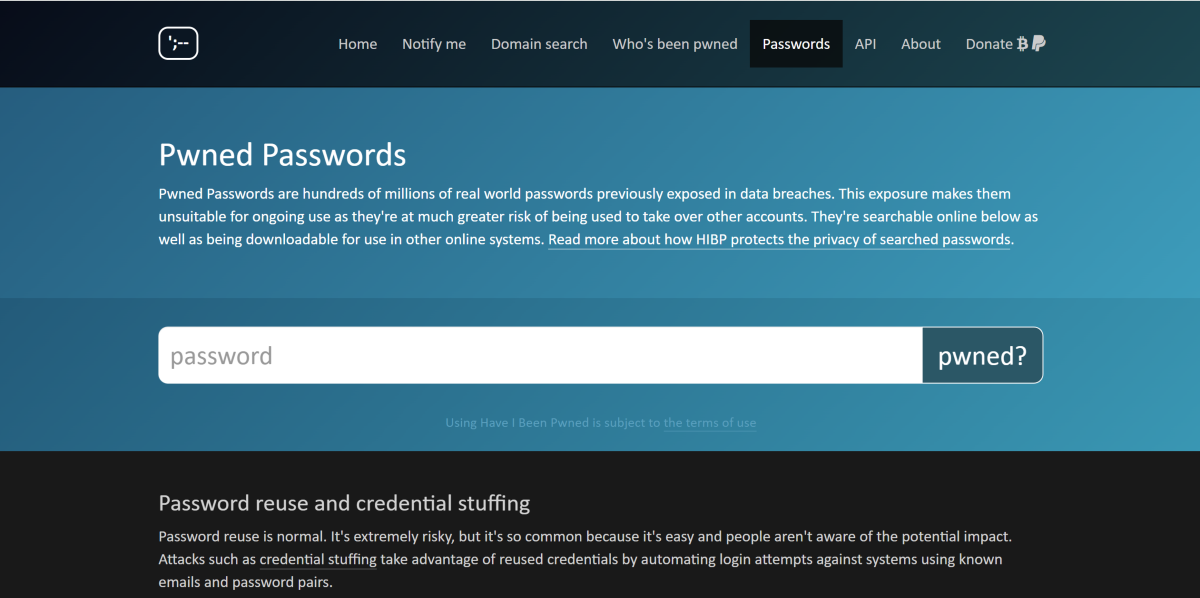
How To Know If Your Password Was Leaked Exclusive Media Updates #717
Access Now unique how to know if your password was leaked with unparalleled picture quality. Featuring daily additions & 100% free to watch on the unique content portal.

